

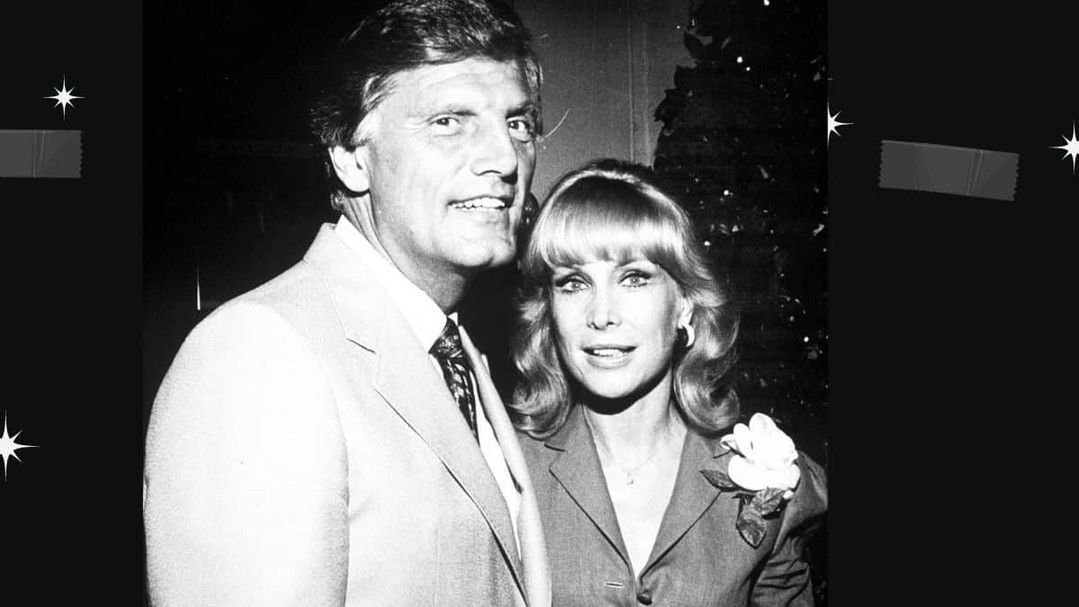
Who Was Charles Donald Fegert?
Charles Donald Fegert stands as a notable figure not for his direct involvement in the entertainment industry, but for his marriage to one of its icons — Barbara Eden, the star of “I Dream of Jeannie”. Despite being a skilled executive in the media and advertising world, Fegert largely kept out of the limelight until his high-profile union with Eden. His career saw him rise to the position of vice president of marketing and advertising at major Chicago publications, including the Chicago Daily News and Sun-Times.
A Career Built in Media and Advertising
Born and raised in Chicago, Charles Donald Fegert honed his craft as a salesman and advertising executive through years of dedication. He quickly earned recognition for his skills in engaging audiences, becoming sought after for hosting events and banquets across the city. His colleagues often described him as charismatic, with an enviable ability to win people over. Fegert’s responsibilities included overseeing large marketing campaigns and managing top teams, marking his reputation as both a skilled leader and a shrewd strategist.
Personal Life and Relationship With Barbara Eden
Before his relationship with Barbara Eden, Charles Donald Fegert had already experienced two marriages and was the father to a daughter and two sons. His personal life, however, pivoted dramatically after meeting Eden when she performed in Chicago. They married in September 1977, following four years of courtship that began with Fegert’s romantic gestures — notably sending flowers twice daily, each marked with his initial “C”.
After marrying Eden, Charles Donald Fegert convinced her to move to Chicago, where they settled in a lavish condominium overlooking Lake Michigan. Despite the promise of happiness, their marriage was soon plagued by personal challenges. Eden’s son, Matthew Ansara, remained in California, having lost a custody battle, a loss Eden described as deeply distressing.
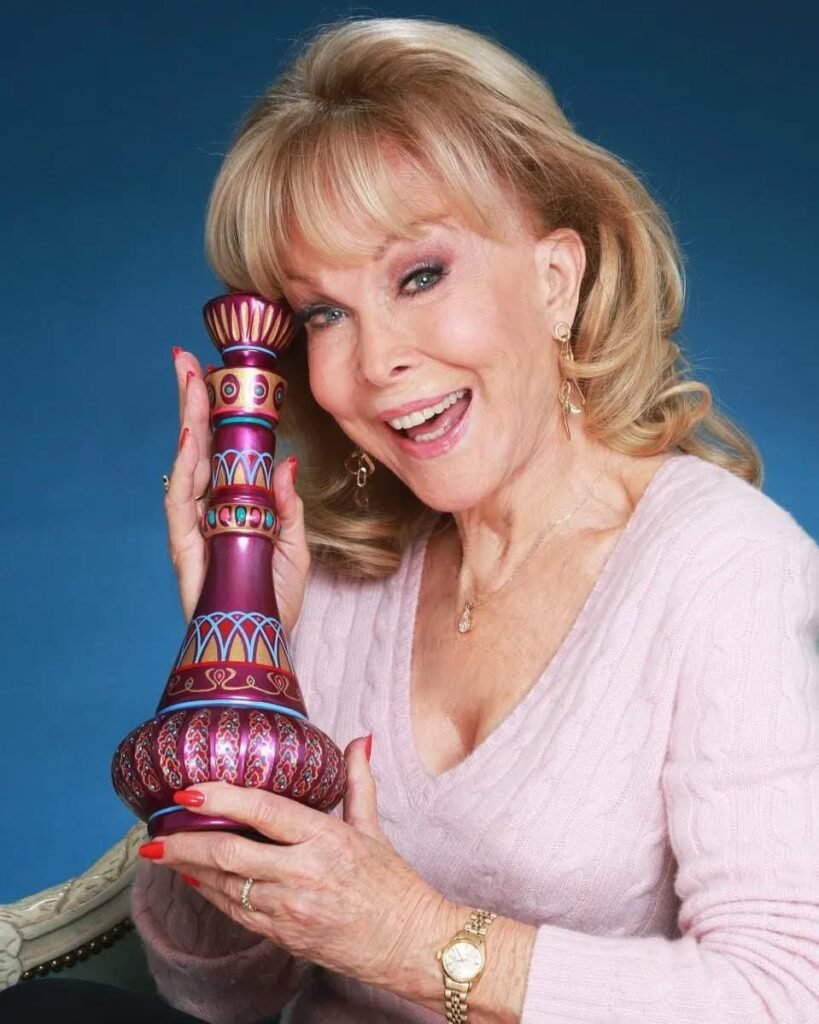
Behind Closed Doors: Happiness Turns Sour
Barbara Eden has described her second marriage as initially filled with affection, intelligence, and fun. However, she later revealed that the honeymoon phase was short-lived. Fegert began to socialize with a crowd marked by excess, especially drinking and drug use. His insecurities reportedly deepened, leading to controlling and eventually abusive behaviour.
Eden moved out amid mounting issues, including Fegert’s increasing instability and substance abuse. Their divorce was finalised in 1983. In her memoir “Jeannie Out of the Bottle,” Eden speaks candidly about the breakdown, attributing it to Fegert’s inability to cope with not being the centre of attention. She ultimately felt compelled to leave for her own safety and wellbeing.
Changing Attitudes Toward Celebrity Relationships
UK audiences remain keenly interested in celebrity relationship stories, especially those that shed light on real-life struggles behind closed doors. Fegert’s experiences with Barbara Eden ignited conversations about emotional health and domestic wellbeing—subjects now widely discussed in British media. Organisations such as Women’s Aid and Refuge, prominent in the UK, have highlighted the importance of recognising and addressing covert abuse tactics similar to what Eden described during her marriage to Fegert.
Exploring these themes in the context of historical celebrity relationships helps destigmatise conversations around emotional turmoil, addiction and abusive behaviours. As domestic abuse reporting rises in the UK, stories like Fegert’s continue to inform news, documentaries and expert commentary—drawing parallels with contemporary cases.
Legacy and Impact
Charles Fegert passed away in his sleep in 2002. He leaves behind a nuanced legacy — remembered affectionately by his children as a fun father and grandfather. Despite his troubles late in life, Fegert’s charisma and prowess in advertising made a significant impact on Chicago’s business community.
Barbara Eden herself has spoken of the lessons learned from her marriage to Fegert, reflecting the challenges faced by many women navigating relationships with powerful but troubled men. For UK readers, these themes continue to resonate, especially with recent focus on domestic abuse and the need to support individuals stepping away from harmful situations.
Charles Donald Fegert: A Figure Still Intriguing the Public
Charles Donald Fegert’s name periodically trends in the UK, especially in relation to news about Barbara Eden and historical explorations of her storied life. The enduring fascination stems from his role as a “behind the scenes” Hollywood husband, and the revelations that followed their tumultuous marriage.
As Eden continues to be celebrated for her enduring television legacy, Fegert’s story is increasingly reconsidered in light of changing attitudes toward domestic relationships and mental health. His rise in advertising, ability to captivate audiences, and the darker chapters of his personal life combine to present a man both influential and deeply flawed.
Credibility and UK Relevance
The resurgence of interest in Charles Donald Fegert often coincides with broader conversations in the UK media about celebrity relationships, domestic abuse, and professional achievements outside the entertainment sector. His life serves as a case study in how fame can intersect with personal struggle. Official statements from Eden, along with historical references from press articles, form the basis of factual understanding, aligning well with UK journalism standards.
Final Thoughts
Charles Donald Fegert stands as a reminder that stories behind public figures are rarely simple. His life and marriage to Barbara Eden reflect both the highs and lows of an era — and, crucially, the importance of discussing personal challenges openly. For UK readers, his legacy connects with ongoing debates about celebrity, vulnerability, and resilience, and serves as a compelling portrait of a man caught between success and personal turmoil.
Read more: antonimar mello
